Archives
- 2026-10
- 2026-09
- 2026-08
- 2026-07
- 2026-06
- 2026-05
- 2026-04
- 2026-03
- 2026-02
- 2026-01
- 2025-12
- 2025-11
- 2025-10
- 2025-09
- 2025-03
- 2025-02
- 2025-01
- 2024-12
- 2024-11
- 2024-10
- 2024-09
- 2024-08
- 2024-07
- 2024-06
- 2024-05
- 2024-04
- 2024-03
- 2024-02
- 2024-01
- 2023-12
- 2023-11
- 2023-10
- 2023-09
- 2023-08
- 2023-07
- 2023-06
- 2023-05
- 2023-04
- 2023-03
- 2023-02
- 2023-01
- 2022-12
- 2022-11
- 2022-10
- 2022-09
- 2022-08
- 2022-07
- 2022-06
- 2022-05
- 2022-04
- 2022-03
- 2022-02
- 2022-01
Interestingly the subcellular localization of FBPase in hepa
2022-01-03
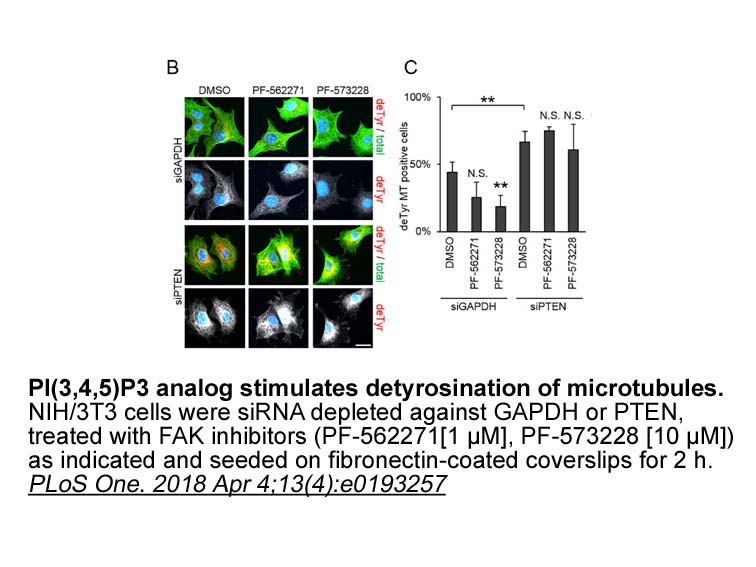
Interestingly, the subcellular localization of FBPase in hepatocytes and proximal tubule lp-pla2 reveals that FBPase is also able to translocate to the nucleus in these cell types. The nuclear localization of muscle-FBPase was recently reported [35]. This data corroborate our results on the ability
MMV s distinct mode of inhibition addresses
2022-01-03
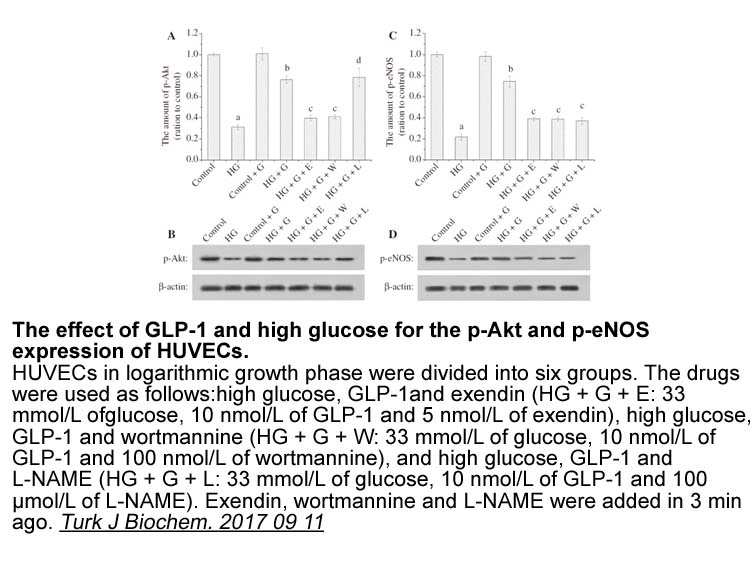
MMV019313's distinct mode of inhibition addresses key impediments in the development of PfFPPS/GGPPS inhibitors as antimalarial drugs. First, it is the first non-bisphosphonate inhibitor of Plasmodium FPPS/GGPPS with drug-like physicochemical properties satisfying the “Rule of 5” (Van Voorhis et al
As for hMOF inhibitor s
2022-01-03

As for hMOF inhibitor's study, Dekker and Zheng et al. synthesized MG149 (Fig. 1) as an inhibitor of Tip60 and MOF which has an IC50 value of 74 ± 20 μM and 47 ± 14 μM [31]. However, MG149 has no experimental data on hMOF in cell or in vivo. The lack of hMOF inhibitor limits the function study of hM
Sequences of HKI and HKII from humans
2022-01-03
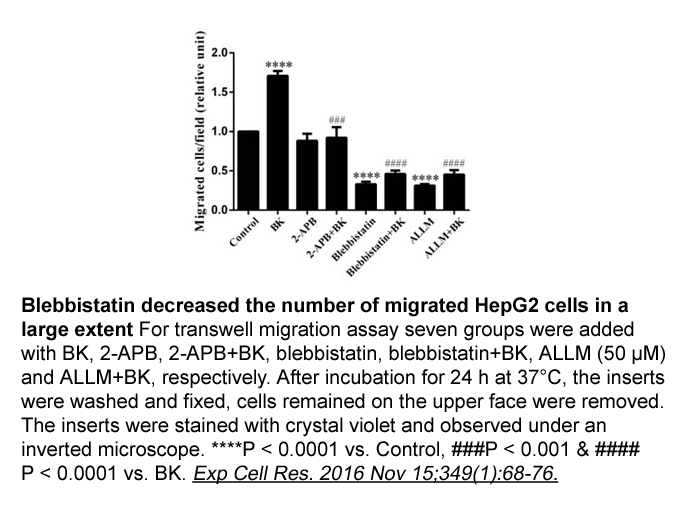
Sequences of HKI and HKII from humans were compared to those of the Atlantic salmon to better understand the observation of HKI movement to the mitochondrial fraction in this study, as HKI in mammals is commonly assumed to be mostly passively regulated by product inhibition, with little evidence of
Furthermore the identification of the inhibitory effect of P
2022-01-03
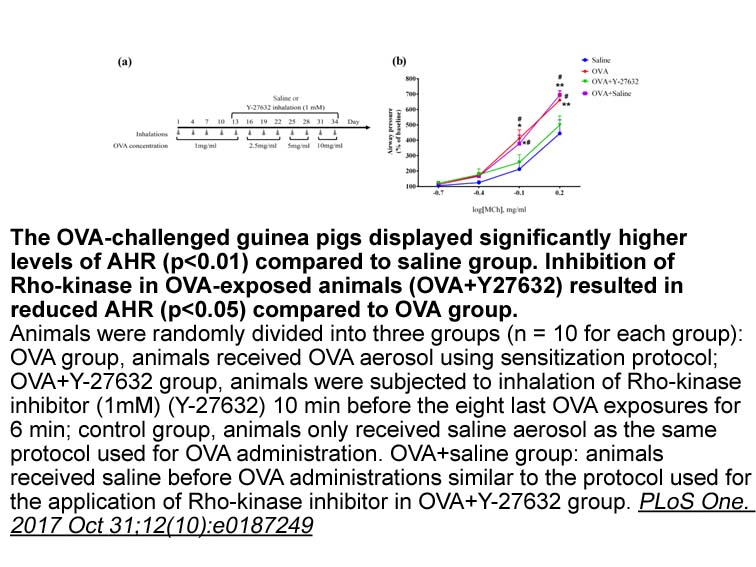
Furthermore, the identification of the inhibitory effect of P. grandiflorum and ginseng extract on HDAC represents an effective workflow for gene expression similarity-based repositioning of nutraceuticals. Acknowledgments This research was supported by Basic Science Research Program through the
8645 records 577/577 page Previous First page 上5页 576577